Source luxury glass skincare bottles for cosmetic, daily use, and custom packaging
Compare 30 listings of luxury glass skincare bottles with capacities from 20 ml to 100 mL. Buyers can evaluate options featuring screw caps, pump sprayers, and silk screen printing for cosmetic and daily use applications.
Key considerations
Products List
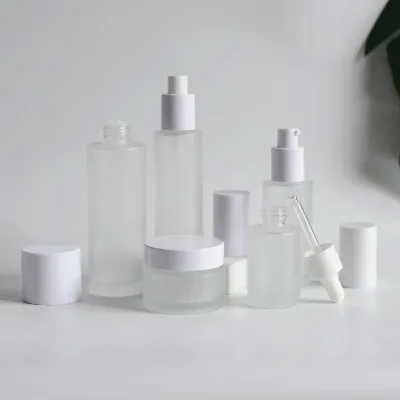
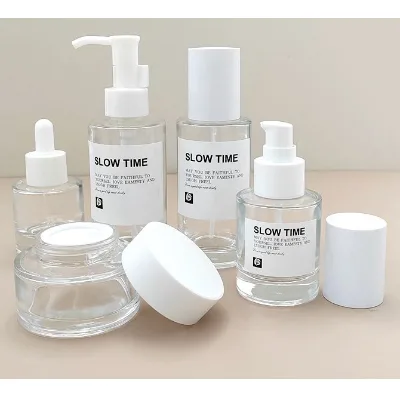


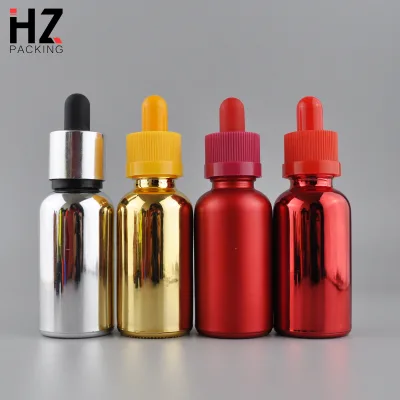


Comprehensive Sourcing Guide
Strategic Sourcing Guide for Luxury Glass Skincare Bottles
The global demand for premium packaging in the cosmetics and personal care sector continues to rise, with luxury glass skincare bottles serving as a critical differentiator for brand positioning. For procurement professionals, navigating this market requires a disciplined approach that balances aesthetic requirements with rigorous technical and compliance standards. The following guide outlines the essential factors for sourcing high-quality glass containers, drawing on verified product attributes and industry best practices to ensure a robust supply chain.
Understanding Technical Specifications and Material Integrity
The foundation of any luxury packaging specification lies in the material composition and physical dimensions. In the current market, glass remains the preferred medium for conveying premium quality due to its chemical inertness and tactile appeal. Verified product data indicates that the primary material composition for these containers is typically a combination of glass and a cap, often utilizing melt glass as the base substrate. The structural integrity of the bottle is further defined by specific shape and bottleneck configurations. Common observations include round and cylindrical shapes, alongside rectangular options, with bottleneck types frequently categorized as narrow mouth bottles.
Volume capacity is a primary driver for SKU differentiation. Sourcing teams must verify that the supplier can accommodate the full range of required capacities, which commonly include 20 ml, 30 ml, 50 ml, and 100 mL options. The thickness of the glass is another critical technical parameter; observed specifications suggest a wall thickness of approximately 0.2 cm, which provides a balance between durability and weight. For luxury applications, the visual clarity is paramount, with transparent glass being a standard offering, though colored variants such as coffee tones are also available. The surface handling processes, such as silk screen printing or customizable screen printing, must be evaluated for their ability to maintain high-definition branding without compromising the glass integrity.
Compliance, Certification, and Regulatory Standards
For skincare products, regulatory compliance is non-negotiable. The safety of the packaging material directly impacts the safety of the cosmetic formulation inside. When evaluating potential suppliers, buyers must demand evidence of specific certifications that validate the material's suitability for cosmetic use. Verified product attributes highlight a robust certification suite including TUV Sud, ISO 22716, GMPC (Good Manufacturing Practice for Cosmetics), MSDS (Material Safety Data Sheet), and FDA compliance. These documents are essential for verifying that the glass and its components do not leach harmful substances into the product.
It is important to distinguish between verified certifications and general industry standards. While ISO 9001 and ISO 14001 are widely recognized for quality and environmental management respectively, the specific context of cosmetic packaging relies heavily on ISO 22716 and GMPC. Procurement teams should verify that the supplier's certification documents are current and cover the specific manufacturing facilities used for the order. Additionally, the presence of an MSDS is crucial for logistics and safety data, ensuring that the glass and any associated chemical treatments (such as surface coatings or printing inks) are handled safely during transport and use.
Cost Drivers and Pricing Structures
The pricing of luxury glass bottles is influenced by a complex interplay of factors, including volume, customization level, and order quantity. Market observations indicate a wide price range, with unit costs fluctuating between $0.08 and $1.67 USD depending on the specific configuration. This variance is primarily driven by the complexity of the design, the type of cap used, and the volume of the order.
Minimum Order Quantity (MOQ) is a significant cost driver in this sector. Verified data shows MOQs ranging from 50 units to 30,000 units, with a common high-confidence threshold of 5,000 pieces for standard configurations. Buyers must align their production forecasts with these MOQ thresholds to avoid prohibitive per-unit costs. For smaller runs, the cost per unit will naturally be higher due to the fixed costs of mold setup and machine calibration. Conversely, larger orders can leverage economies of scale but require significant upfront capital commitment.
The following table summarizes the key cost and volume parameters observed in the market:
| Parameter | Observed Range / Value | Impact on Procurement |
|---|---|---|
| Unit Price | $0.08 - $1.67 USD | Highly dependent on customization and volume. |
| MOQ | 50 - 30,000 units | 5,000 units is a common standard threshold. |
| Volume Options | 20 ml, 30 ml, 50 ml, 100 mL | Larger volumes may have different pricing tiers. |
| Packaging | Export Standard, Box, or Courier | Affects shipping costs and unit protection. |
Typical Applications and Design Customization
Luxury glass bottles are predominantly designed for the cosmetic industry, serving as the primary vessel for serums, lotions, and creams. The application extends to daily use products where brand perception is critical. The design flexibility is a key advantage of glass packaging. Verified attributes confirm that customization is widely available, including custom colors for caps (ranging from candy colors to single solid colors) and customizable surface printing.
The sealing mechanism is another critical design element. Options typically include screw caps and pump sprayers, with the latter being essential for dispensing viscous skincare formulations. The shape of the bottle, whether round, cylindrical, or rectangular, must align with the ergonomic needs of the end-user. For luxury positioning, the "European Style" aesthetic is often requested, characterized by clean lines and a sophisticated profile. Furthermore, the inclusion of accessories, such as handles, is generally not standard for these luxury bottles, which typically feature a handle-less design to maintain a sleek, minimalist appearance.
Supplier Evaluation and Operational Capabilities
Selecting the right supplier requires a thorough evaluation of their operational capabilities beyond just product specifications. A reliable supplier must demonstrate the ability to handle OEM (Original Equipment Manufacturer) and ODM (Original Design Manufacturer) requests. Verified data confirms that OEM/ODM services are acceptable and widely offered, allowing brands to tailor the product to their specific identity.
The supply chain logistics are equally important. Buyers should verify the supplier's location, with China being a primary hub for glass bottle manufacturing. Lead times and shipping methods must be clearly defined. Packaging options range from export-standard packaging to specialized boxing, with shipping available via ship, air, or courier. The ability to provide samples is a critical step in the evaluation process; verified attributes indicate that samples are provided, allowing buyers to physically inspect the quality, weight, and finish before committing to a large order.
When evaluating suppliers, procurement teams should also consider the "Hardness" of the glass. While some specifications list "Partial Hard," this is an observation rather than a universal claim. Buyers should request specific hardness test results to ensure the glass can withstand the rigors of filling, capping, and distribution without cracking.
Quality Control and Long-Term Procurement Considerations
Maintaining consistent quality over time is essential for luxury brands. Quality control measures should include rigorous inspection of the glass for bubbles, stones, or uneven thickness. The surface handling, particularly silk screen printing, must be checked for adhesion and color consistency. The "High Quality" feature observed in product listings should be validated through physical testing rather than accepted as a marketing claim.
Long-term procurement strategies should focus on building a relationship with a supplier who can scale with the brand. This includes the ability to maintain consistent color matching for custom cap colors and the capacity to handle fluctuating demand. The "Customized" nature of the product means that any changes in formulation or design require a re-qualification of the packaging. Buyers should ensure that the supplier has a robust change management process to handle these updates without compromising the supply timeline.
Furthermore, the environmental impact of the packaging is increasingly relevant. While specific environmental certifications like ISO 14001 are not universally verified in the provided data, the use of glass inherently supports sustainability goals due to its recyclability. Buyers should inquire about the supplier's waste management practices and the recyclability of the specific glass type used.
Finalizing the Procurement Strategy
Sourcing luxury glass skincare bottles is a multifaceted process that requires a deep understanding of technical specifications, regulatory requirements, and market dynamics. By focusing on verified attributes such as material composition, certification status, and customization capabilities, buyers can mitigate risks and ensure a high-quality supply chain. The wide range of available options, from volume capacities to sealing types, allows for significant flexibility in product design. However, the variability in MOQs and pricing necessitates careful planning and negotiation.
Ultimately, the success of the procurement strategy depends on the buyer's ability to verify claims against physical evidence and documentation. Whether sourcing for a single item or a large-scale production run, the focus must remain on the integrity of the glass, the safety of the materials, and the alignment with the brand's luxury positioning. By adhering to these guidelines and maintaining a rigorous evaluation process, procurement teams can secure a reliable supply of premium packaging that enhances their product's market value.
FAQs
What certifications are required for luxury glass skincare bottles?
Verified products typically include TUV Sud, ISO 22716, GMPC, MSDS, and FDA certifications. These documents validate material safety and ensure compliance with cosmetic manufacturing standards for global distribution.
Which volume capacities are available for glass cosmetic bottles?
Standard volume options include 20 ml, 30 ml, 50 ml, and 100 mL sizes. Buyers should verify specific capacity availability as it directly impacts unit pricing and minimum order quantity requirements.
Can suppliers provide samples for quality inspection before bulk orders?
Yes, samples are provided to allow buyers to inspect physical quality and finish. This step is essential for verifying attributes like glass thickness, printing clarity, and cap sealing before committing to large quantities.
What is the typical minimum order quantity for these glass bottles?
MOQs range from 50 to 30,000 units, with 5,000 pieces being a common standard threshold. Lower quantities may incur higher per-unit costs due to setup expenses, while larger orders leverage economies of scale.
How can brands customize the appearance of their glass packaging?
Customization is available for cap colors, surface printing, and bottle shapes like round or cylindrical. Suppliers accept OEM and ODM requests to tailor designs, including silk screen printing and specific color matching.
Where are these luxury glass bottles typically manufactured?
The primary place of origin for these products is China, a major hub for glass container manufacturing. Buyers should verify specific factory locations and shipping methods like air, ship, or courier for logistics planning.